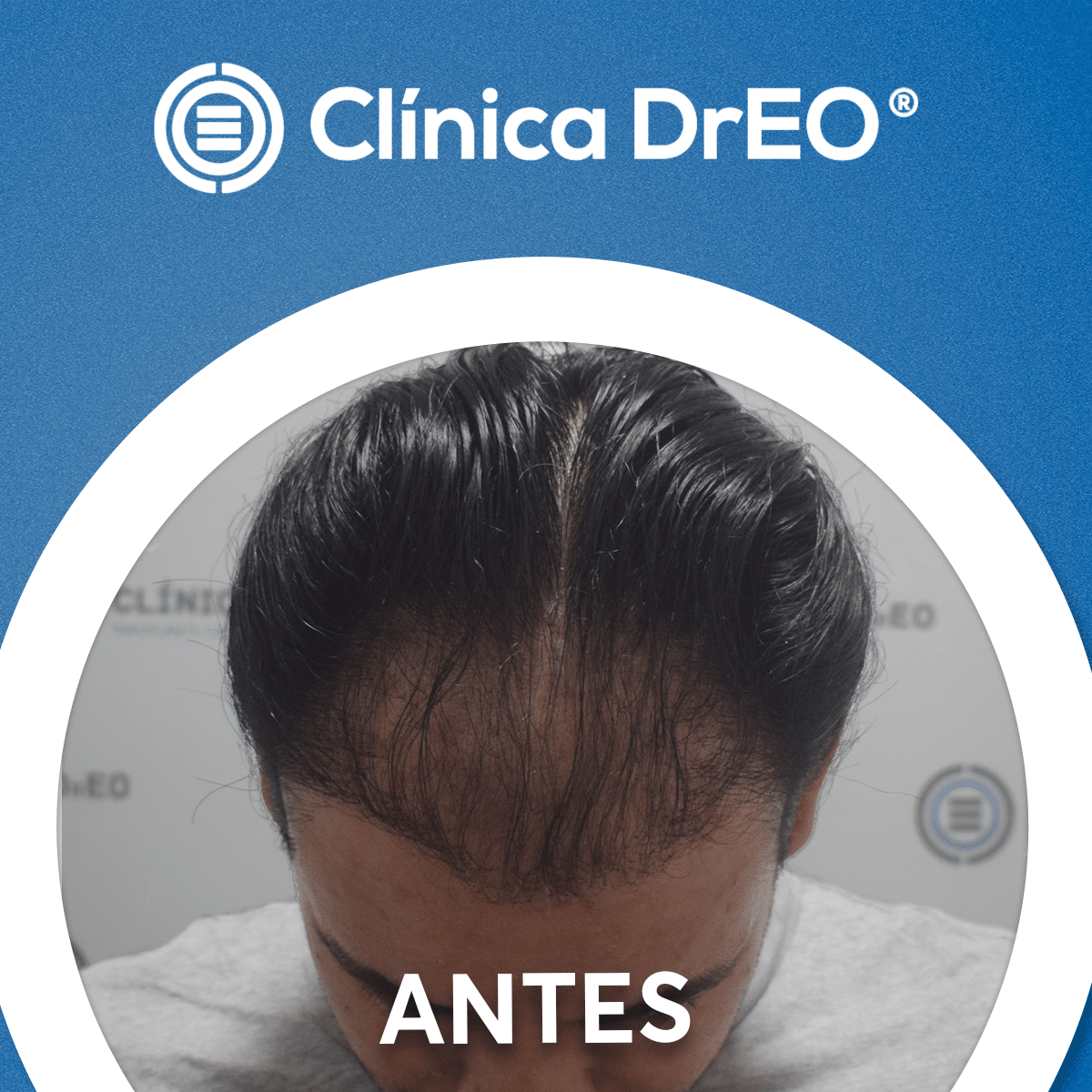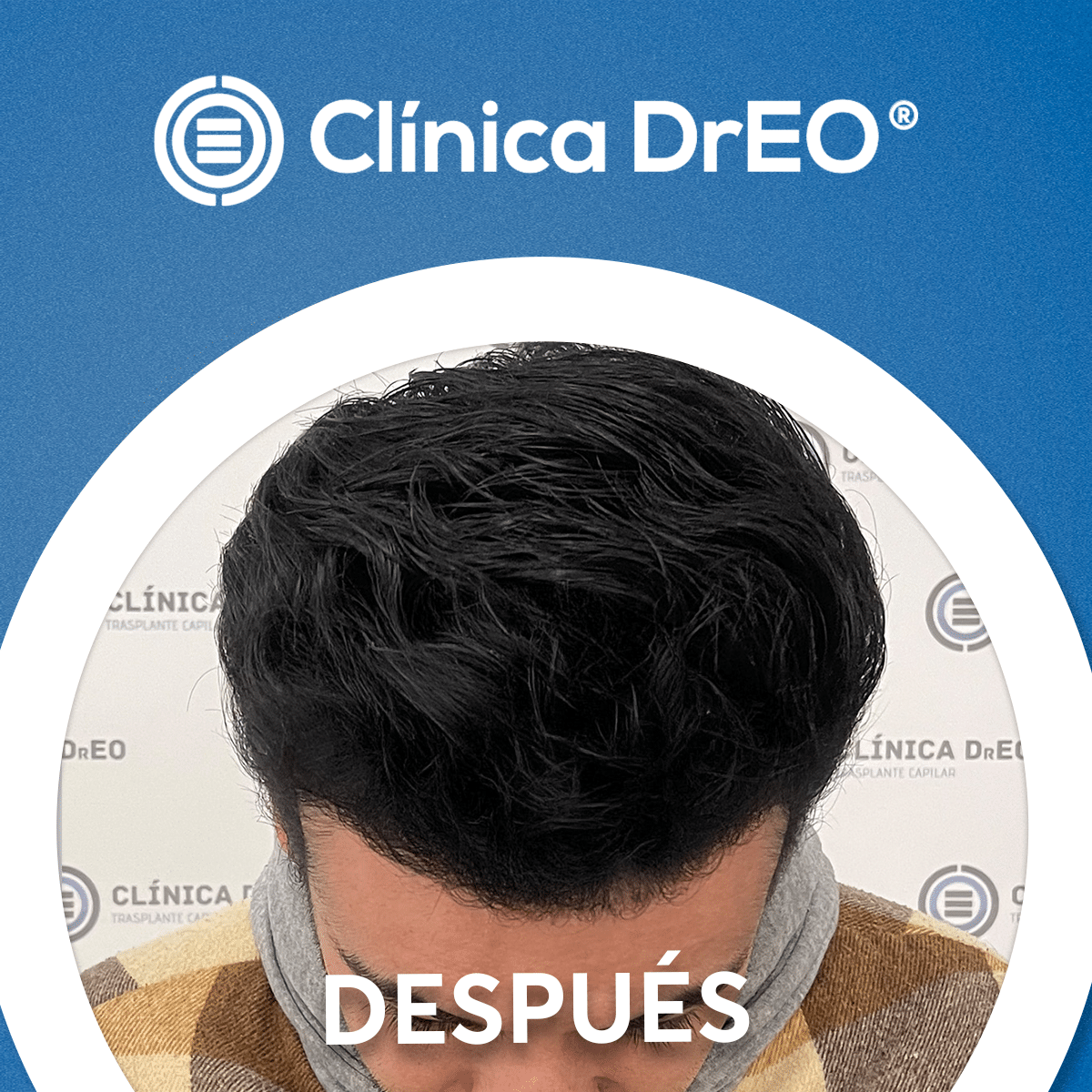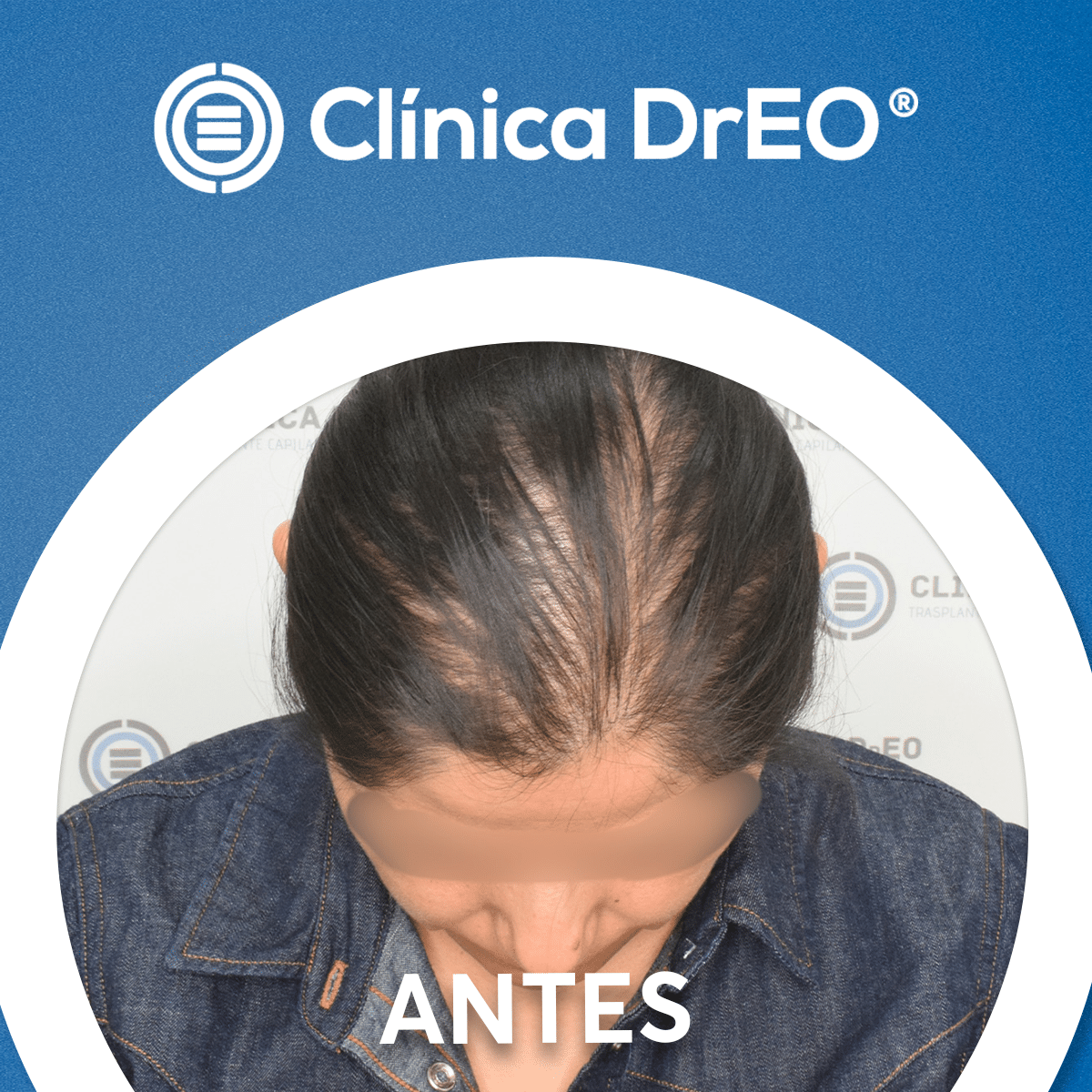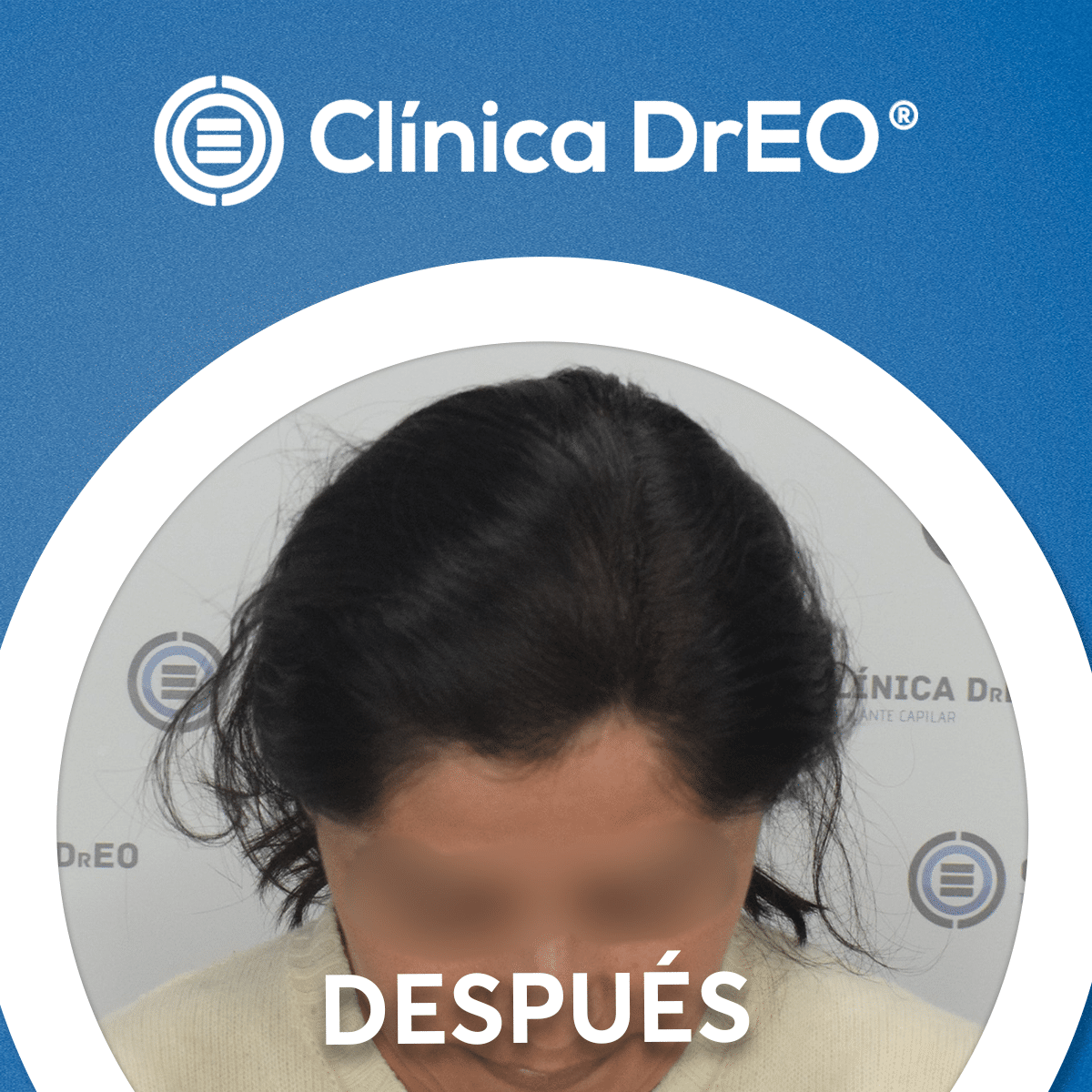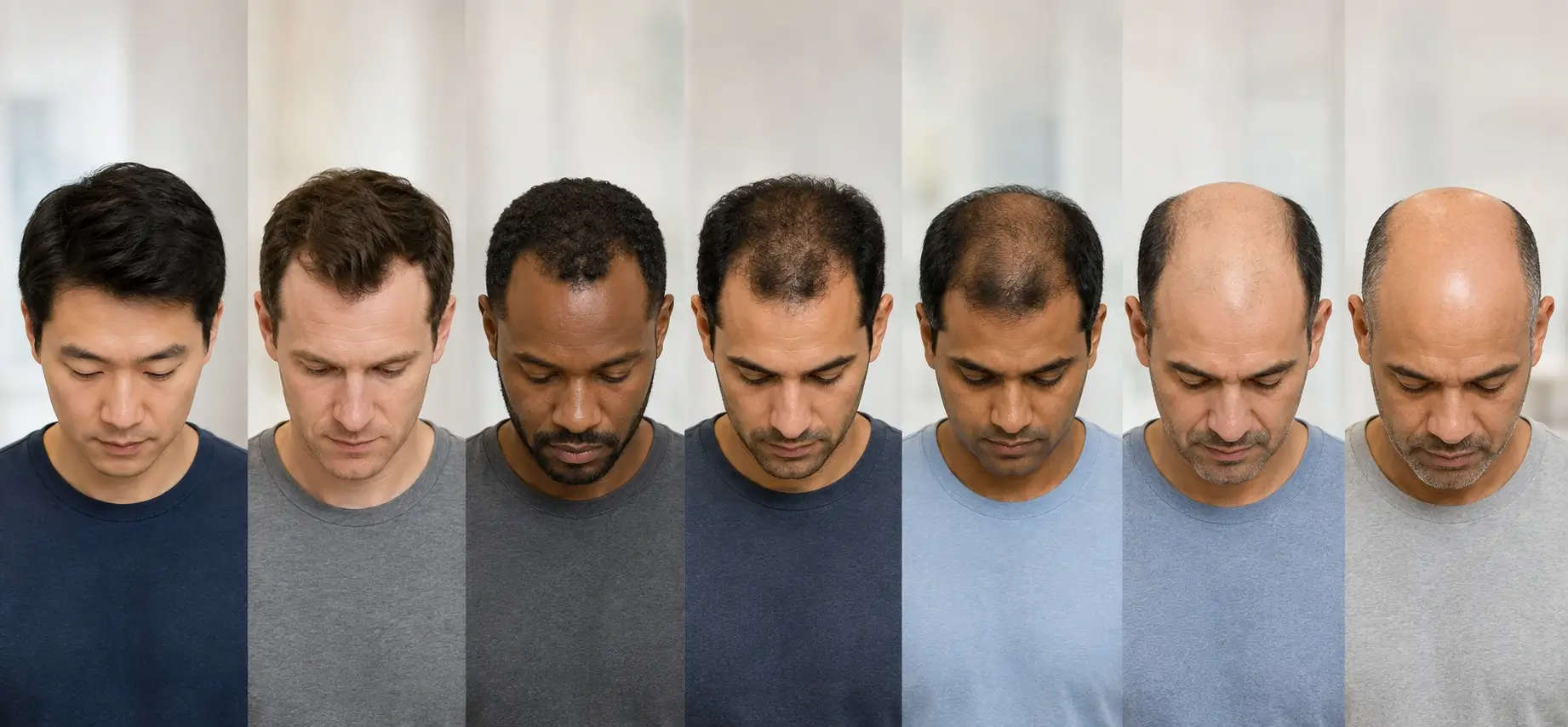

Hair loss isn’t just a men’s problem; women also experience hair loss . Many women face this challenge, which often affects their self-esteem and quality of life. Causes such as hormonal changes, stress, or autoimmune diseases can lead to thinning hair.
The good news is that there are effective treatments for hair loss in women . In this article, we explain the most common causes and current solutions that have proven effective, from medical treatments to hair transplants.
Is it normal for my hair to fall out?
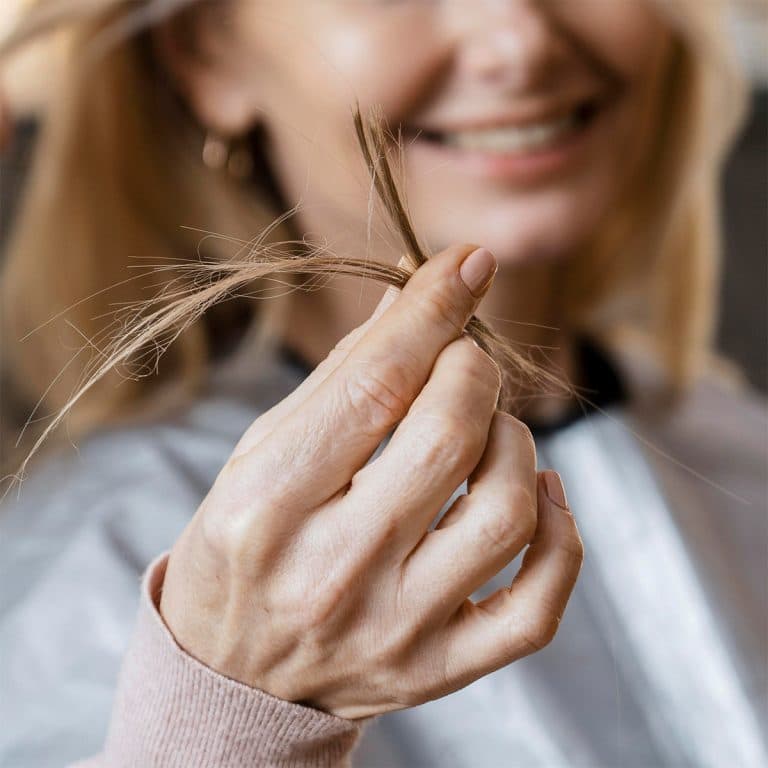
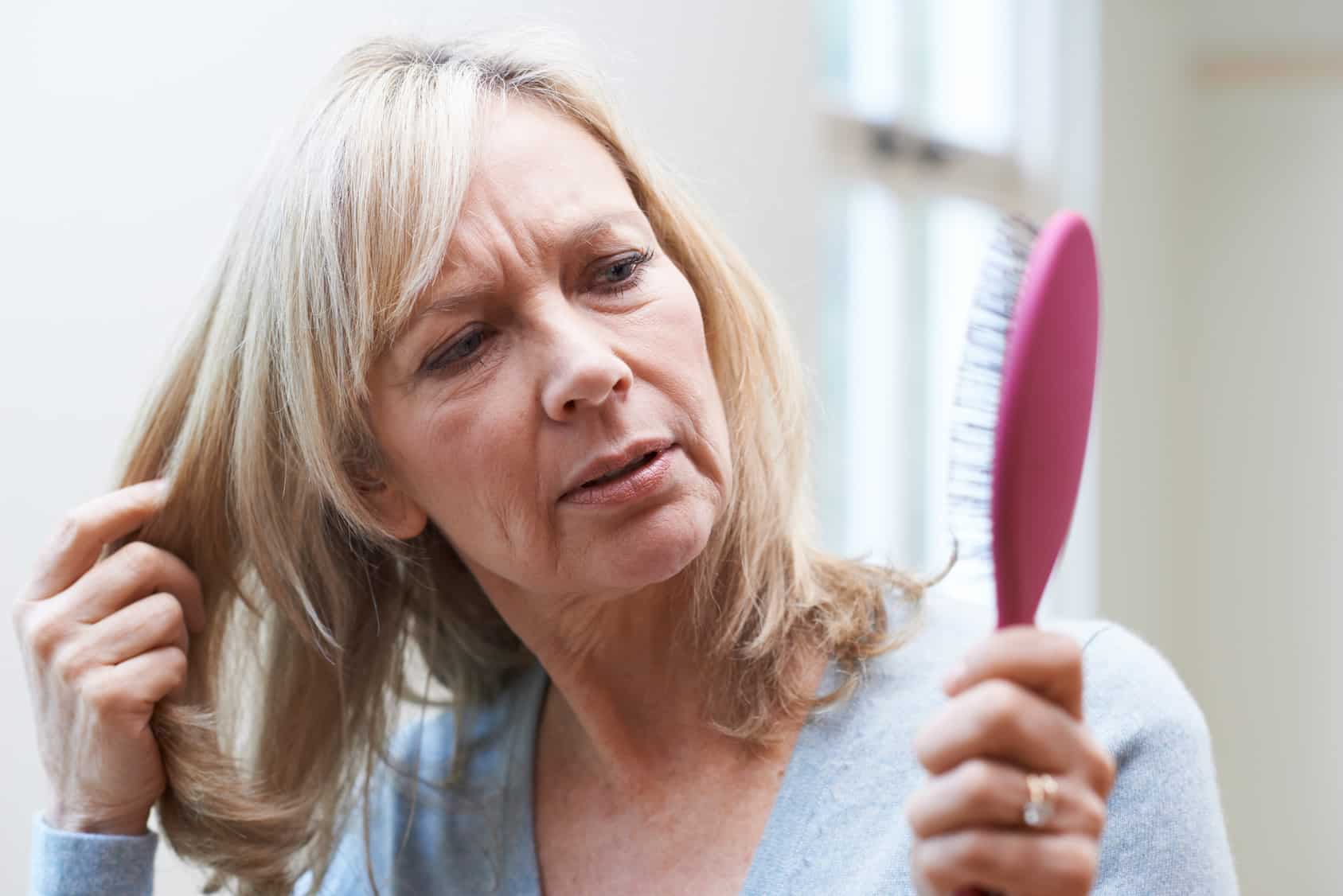
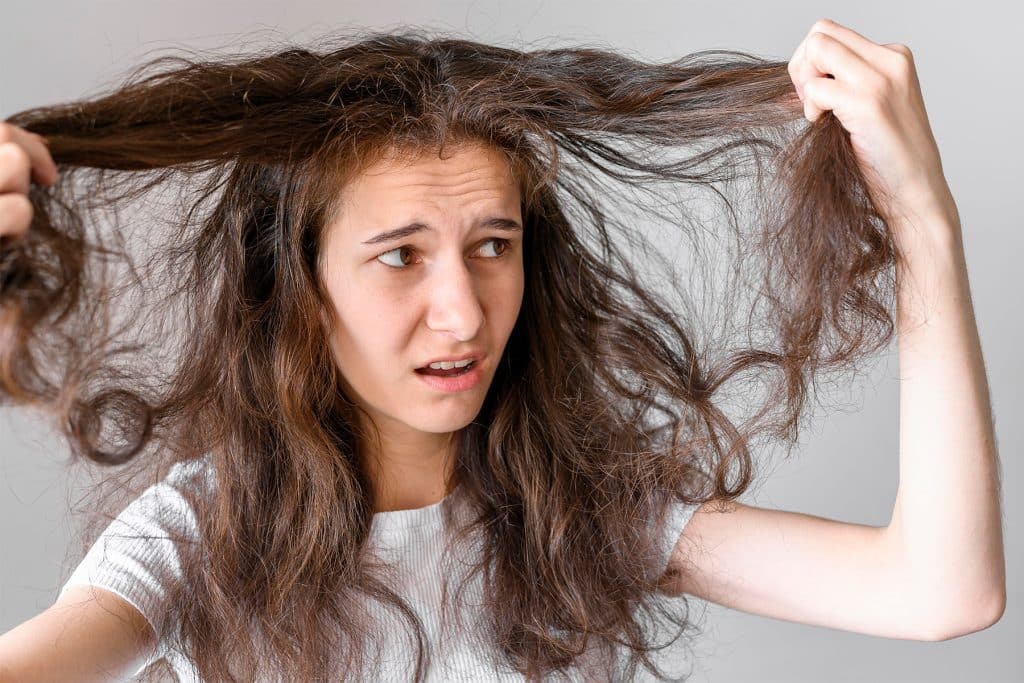
Yes, to a certain extent. It’s normal to lose between 50 and 100 hairs a day. Hair has a natural life cycle that includes growth, rest, and shedding phases. However, if the loss is excessive or you notice areas with less hair, it could be a warning sign.
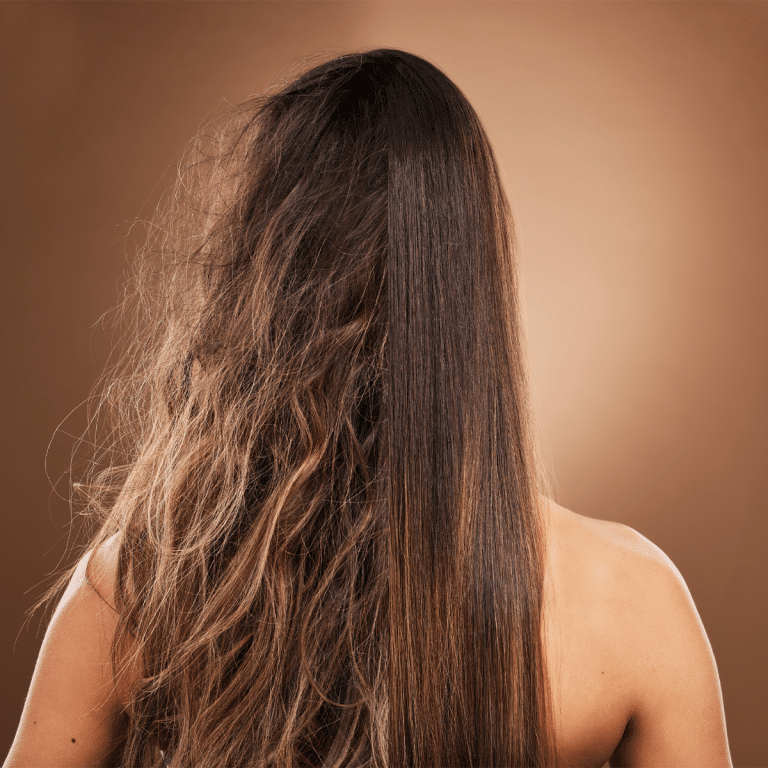
Hair loss in women can be exacerbated by factors such as hormonal changes, chronic stress, nutritional deficiencies, or excessive heat styling . Certain types of female pattern hair loss, such as androgenic alopecia or alopecia areata, require medical attention.
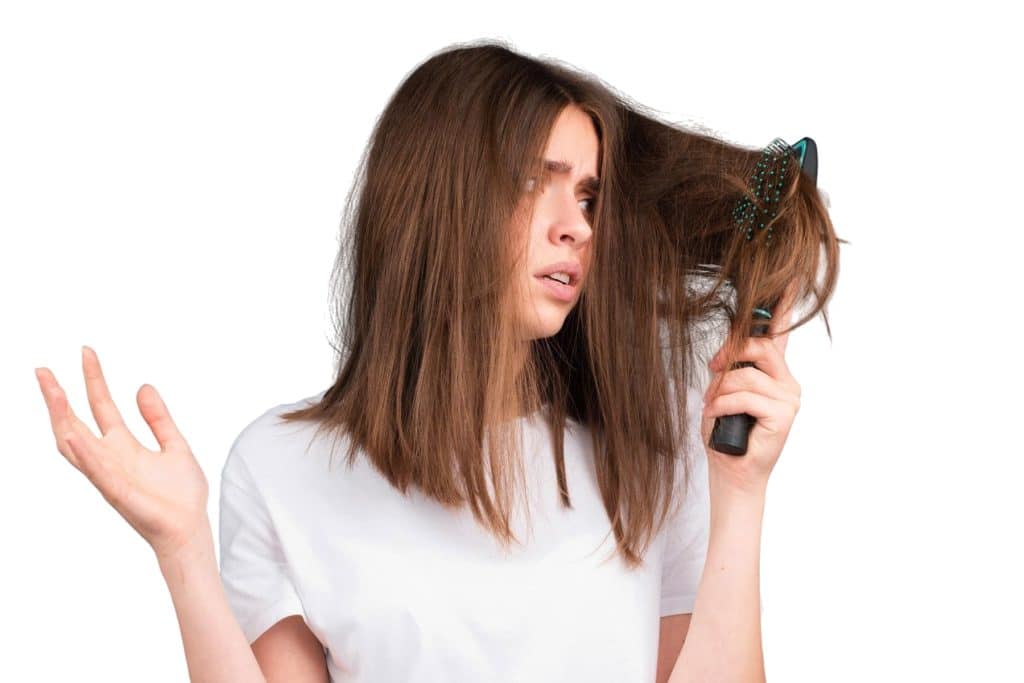
It’s also important to note if your hair is becoming thinner, especially on top or at the hairline. If you find clumps of hair on your pillow or while combing, consider visiting a specialist clinic for a diagnosis.
Tip: Don’t wait until the loss is extreme. The sooner you identify the cause, the more treatment options you’ll have.
Common causes of hair loss in women
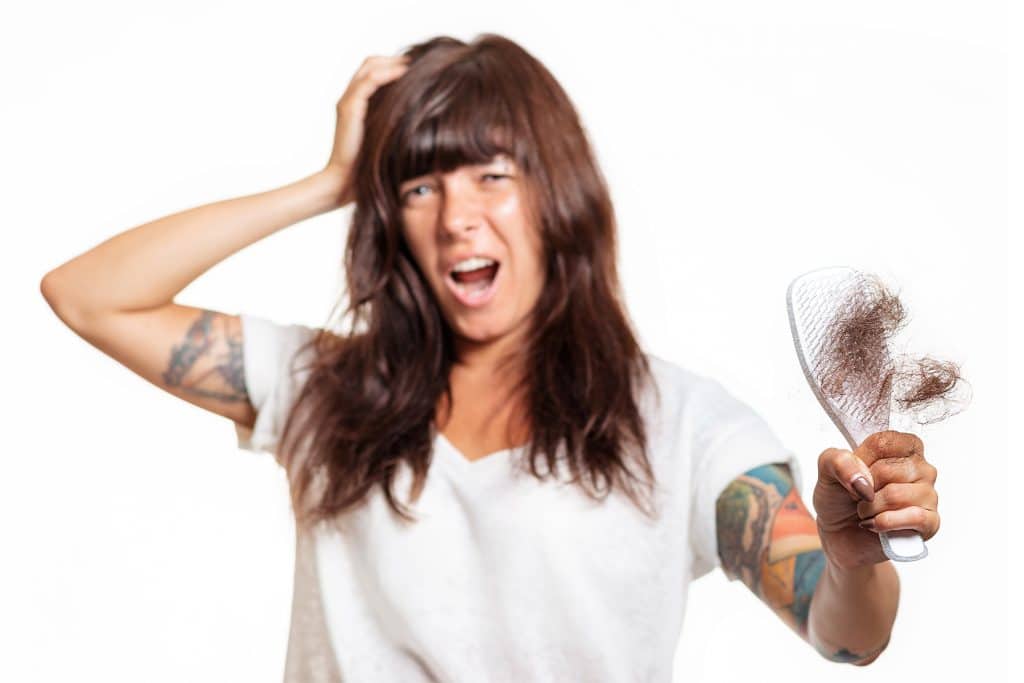
The reasons for hair loss in women can be temporary or more complex. Here are the most common ones:
1. Hormonal changes
Pregnancy, postpartum, the use or discontinuation of contraceptives, and menopause can generate hormonal imbalances that affect the hair cycle, causing temporary or permanent hair loss.
2. Physical or emotional stress
Prolonged stress releases cortisol, a hormone that can disrupt the hair growth phase. It can also cause telogen effluvium, a condition where large amounts of hair enter the resting phase and fall out.
3. Nutritional deficiencies
Strict or unbalanced diets, as well as deficiencies in iron, vitamin D, biotin, or protein, directly affect the health of the hair follicle.
4. Traction and aggressive hairstyles
Tight ponytails, braids, extensions, permanent straightening, or excessive use of heat can cause traction alopecia, a type of localized hair loss.
5. Female androgenic alopecia
It is a hereditary form of hair loss that primarily affects the top of the scalp. It is progressive, but treatable if detected early.
6. Autoimmune diseases
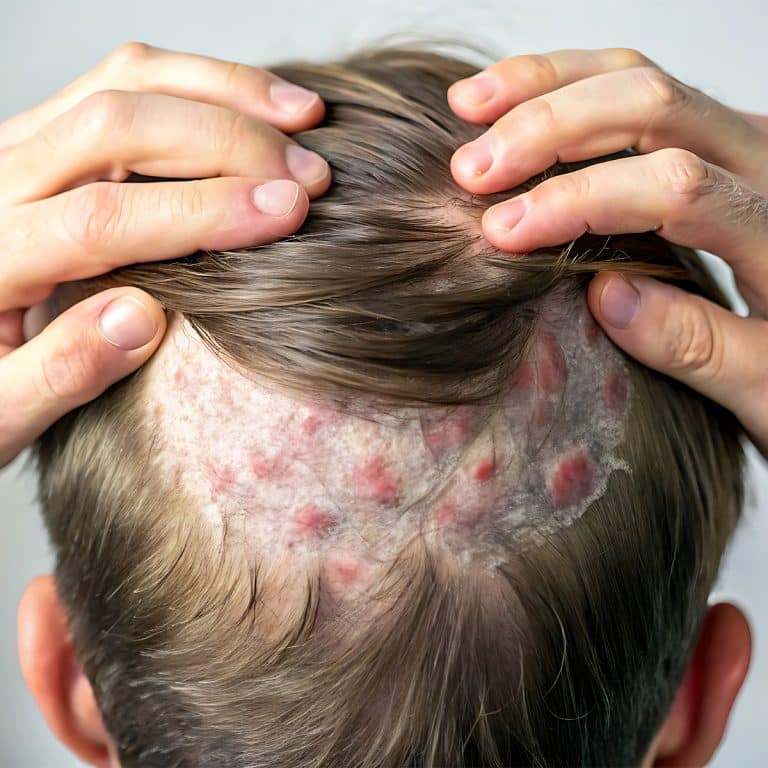
Conditions such as alopecia areata, lupus, or thyroiditis can cause the immune system to attack hair follicles. These cases require a comprehensive medical approach. Additionally, some dermatological conditions of the scalp, such as scalp psoriasis , can cause inflammation and contribute to hair loss if not properly treated.
How can I tell what type of hair loss I have?
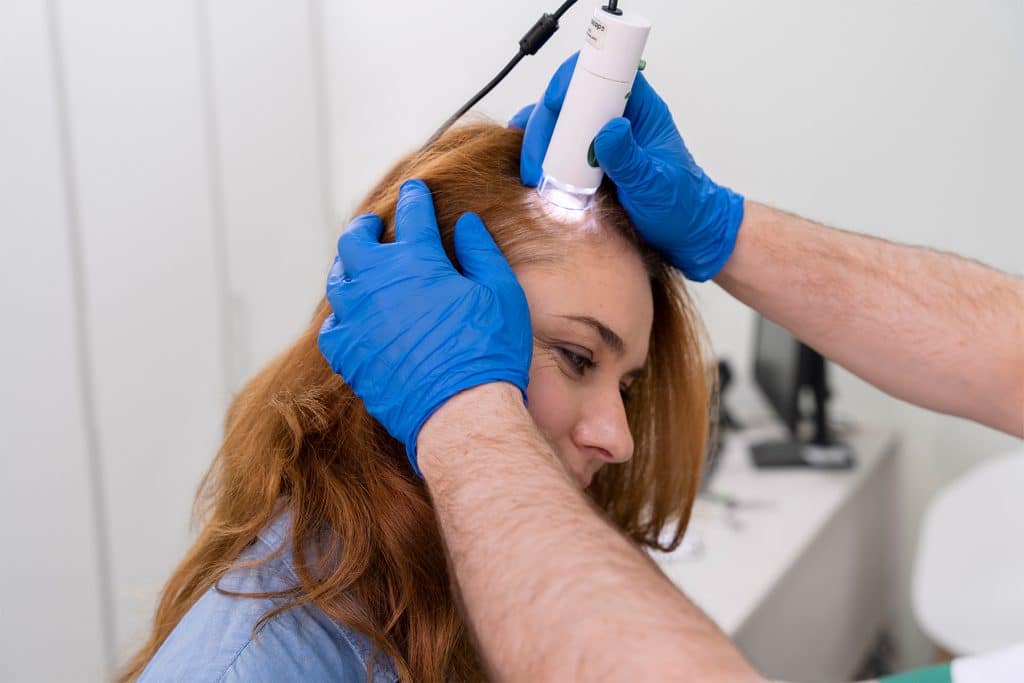
Not all falls are the same. The first step is a medical diagnosis. At clinics like Clínica DrEO , advanced technology is used to evaluate:
- Hair density and quality
- Follicle status
- Most affected areas
- Medical history and hormonal or nutritional factors
With that information, the medical team can define the type of alopecia and propose the appropriate treatment.

Hair loss treatments for women
Treatment depends on the type of hair loss, its cause, and the overall condition of the scalp. Some of the most commonly used solutions include:
Minoxidil
It is one of the best-known topical treatments. It stimulates the hair follicle, prolongs the growth phase, and improves hair density.
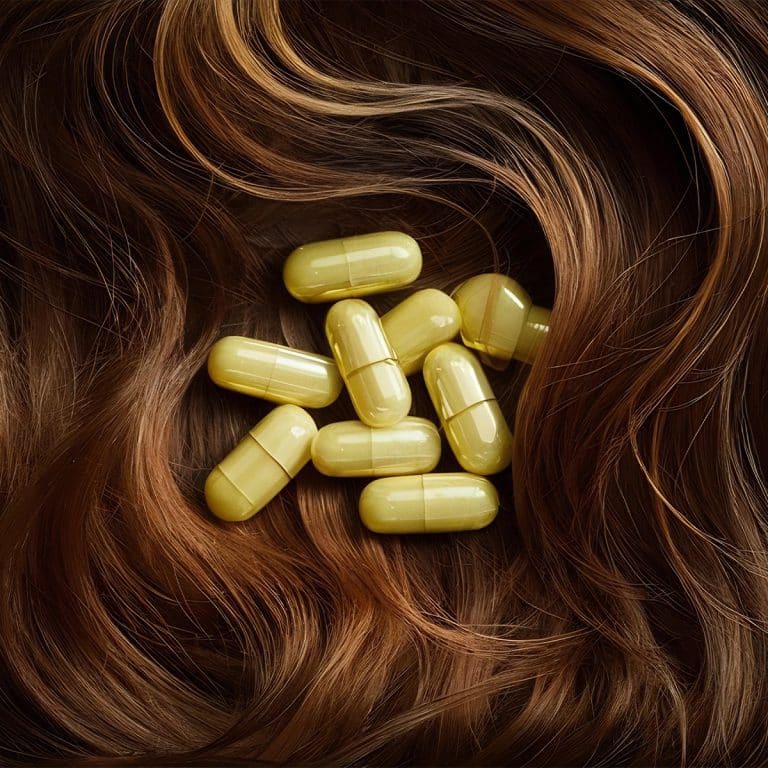
Nutritional supplements
Biotin, iron, zinc, collagen, and vitamin D are key for healthy hair growth. A well-prescribed treatment can slow hair loss related to deficiencies.
PRP (Platelet-Rich Plasma) Therapy
Blood is drawn from the patient, centrifuged, and applied to the scalp. PRP contains growth factors that stimulate the hair follicle.
Hormonal medication
In some cases, the doctor may recommend antiandrogens or other medications that regulate the hormonal imbalance.
Hair transplant
When hair loss is permanent or there are already visible areas of low density, hair transplantation for women is a definitive and natural solution. Follicles are extracted from healthy areas and implanted in the affected areas, respecting the original hairline. At Clínica DrEO, this procedure is personalized, leaves no visible scars, and does not require shaving the entire head.
Where can women get treatment for hair loss?
Choosing a specialized clinic is key. At Clínica DrEO , each patient is evaluated individually. The cause of the hair loss is determined, and a personalized treatment plan is proposed.
Furthermore, Dr. Enrique Orozco is the only physician in Mexico certified by the American Board of Hair Restoration Surgery (ABHRS). His expertise has helped many women, even those with complex cases of alopecia.
Hair loss in women does have a solution
The good news is that there are safe and effective treatments to combat hair loss in women, not just trying jasmine tea . From minoxidil to hair transplants , each case has its own approach.
Hair transplantation isn’t always necessary. In the early stages, many cases can be improved with changes to your hair care routine, a better diet, and stress management. If hair loss progresses, a hair transplant offers a long-lasting and natural-looking solution.
The key is to receive a complete medical evaluation. At clinics like Clínica DrEO, hormonal, nutritional, and genetic factors that may contribute to hair loss are also analyzed.
Remember: hair loss in women isn’t just about aesthetics, it’s also about emotional well-being . If you’re experiencing hair loss, schedule a free consultation and begin your journey to reliable hair restoration.