Hair Transplant vs. Minoxidil: Which is the Best Option for Hair Loss? Hair loss affects millions of people worldwide, regardless of age or gender. Two of the most popular solutions to this problem are minoxidil and hair transplantation. But which is the best option? The answer depends on several factors, such as the type of alopecia, the progression of hair loss, the patient’s budget, and their expectations.
In this article we analyze both treatments in depth to help you make an informed decision, based on medical evidence and clinical experience.
Minoxidil: a temporary, daily-use pharmaceutical solution
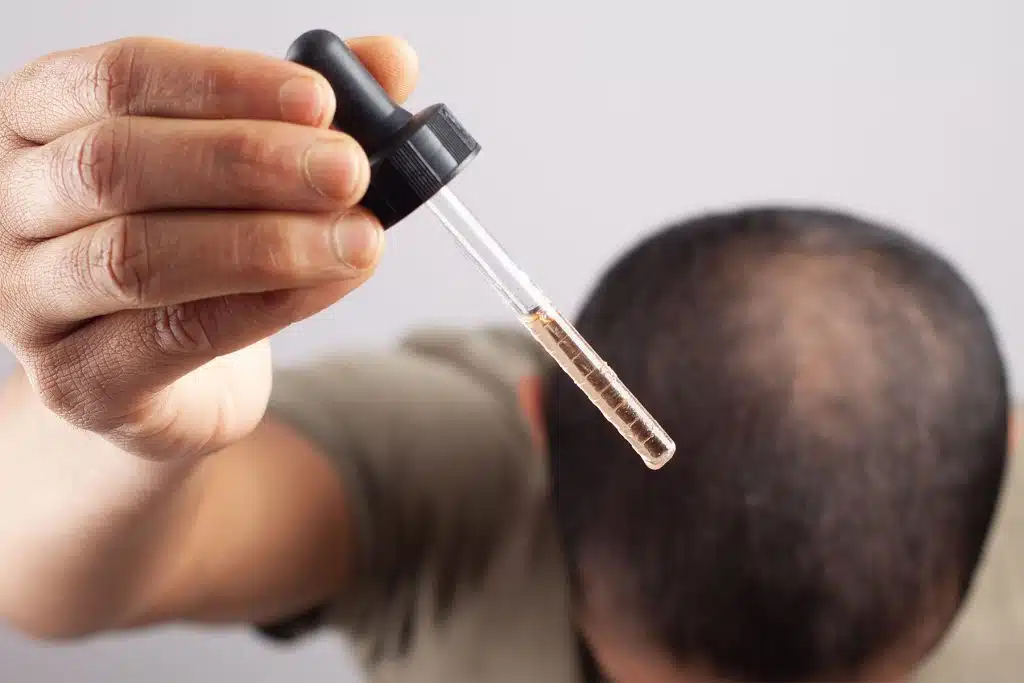
Minoxidil is a vasodilator that was originally used to treat high blood pressure. Later, it was discovered that one of its side effects was increased body hair growth, which led to its topical formulation as a treatment for androgenetic alopecia and other forms of hair loss. Available in 2% (more common in women) and 5% (in men) concentrations, it is applied directly to the scalp, usually twice a day.
Advantages:
Economic accessibility: It is one of the most economical solutions on the market for treating hair loss.
Easy to use: It does not require a prescription in many countries and can be applied at home with minimal instruction.
Growth stimulation: Improves microcirculation in the scalp, which stimulates the hair follicle and promotes growth in weakened areas.
Disadvantages:
Limited results: Works best on people with recent hair loss and on specific areas of the scalp, such as the crown.
Treatment dependence: Discontinuation of use implies a progressive reversal of the results.
Side effects: Some people experience irritation, itching, dermatitis, or unwanted hair growth in other areas.
In summary, minoxidil is most effective in cases of moderate hair loss and as a preventative or control measure, but it does not regenerate completely bald areas.
Hair transplant: a permanent surgical solution
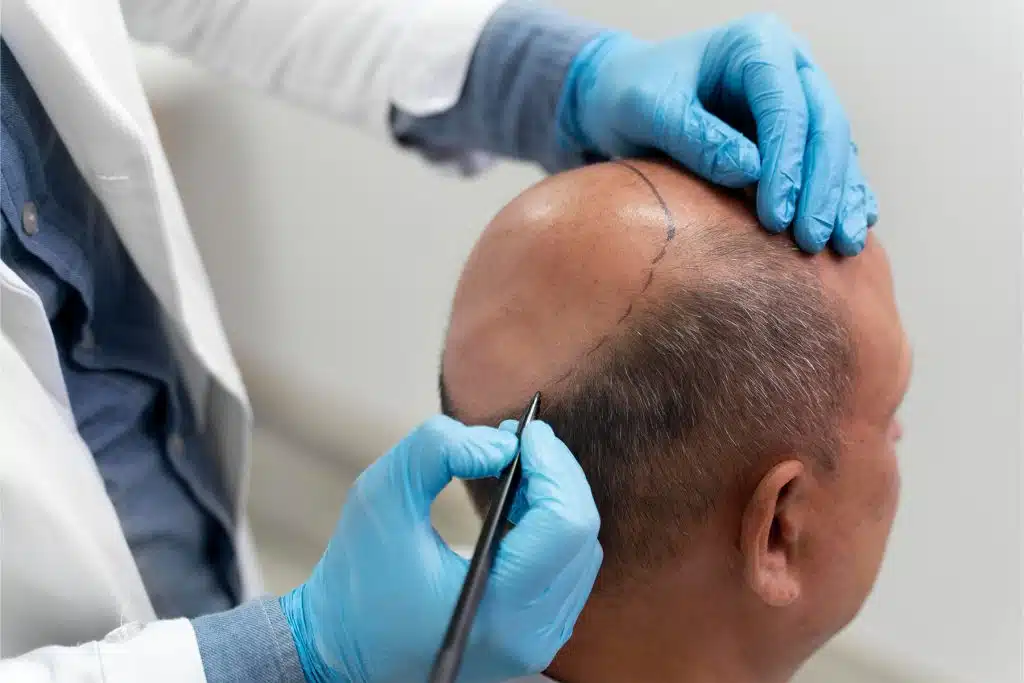
At Clínica DrEO, we have helped hundreds of patients choose hair transplantation as a permanent solution to hair loss. Under the direction of Dr. Enrique Orozco, a specialist certified by the American Board of Hair Restoration Surgery ( ABHRS ) and a member of international institutions such as the ISHRS and the World FUE Institute, we offer highly specialized care focused on natural and personalized results.
Our team performs procedures using advanced variants of the FUE technique, such as the Técnica FUE Zafiro, which allows for greater precision in follicle implantation, reduced tissue trauma, and more natural-looking density. Each patient is evaluated with advanced diagnostic tools to determine the most appropriate strategy based on their type of alopecia and long-term goals.
Hair transplantation is an advanced medical procedure that involves extracting follicular units from a donor area (usually the back of the scalp) and implanting them in areas with lower hair density. There are two main methods:
- FUE (Follicular Unit Extraction): Individual technique that extracts follicles one by one.
- FUT (Follicular Unit Transplantation): This involves the removal of a strip of scalp from which the follicular units are separated.
Advantages:
- Permanent results: The transplanted follicles are genetically programmed not to fall out, so the result can last a lifetime.
- Natural appearance: Thanks to technical advances, the results are undetectable to the naked eye.
- Definitive solution: Ideal for those who have already lost a significant amount of hair.
Disadvantages:
- High cost: Although it varies depending on the clinic and the number of follicles, it is significantly more expensive than drug treatments.
- Recovery required: Although it is an outpatient procedure, it requires certain postoperative care and may involve mild swelling or discomfort.
- Not everyone is a candidate: People with diffuse alopecia or without a suitable donor area may not be suitable.
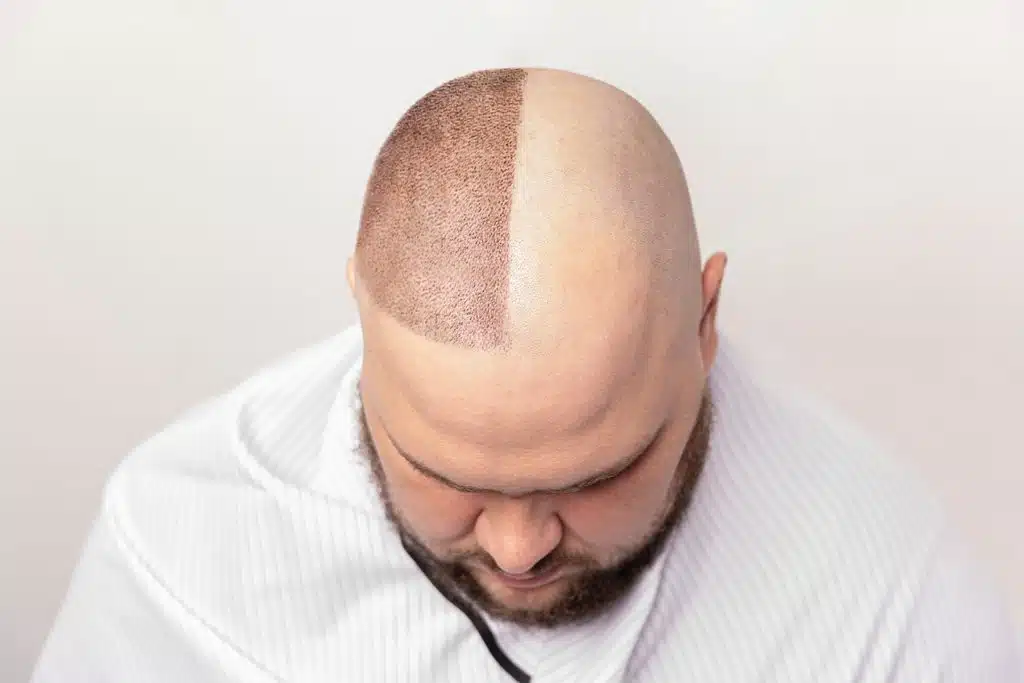
Hair transplantation is most suitable for patients with stable hair loss and clear expectations, who are looking for a long-term solution.
Minoxidil or hair transplant? Factors you should consider
- Degree of hair loss
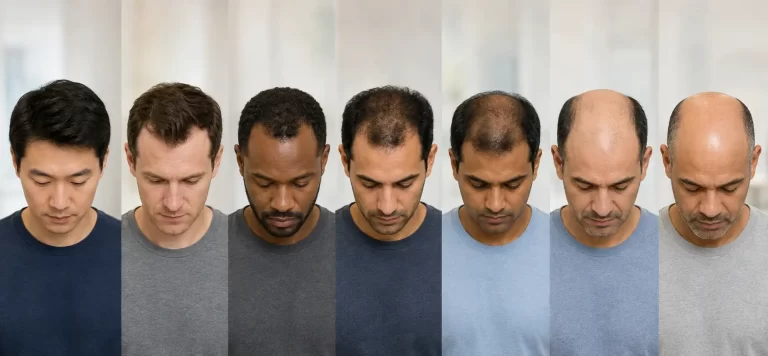
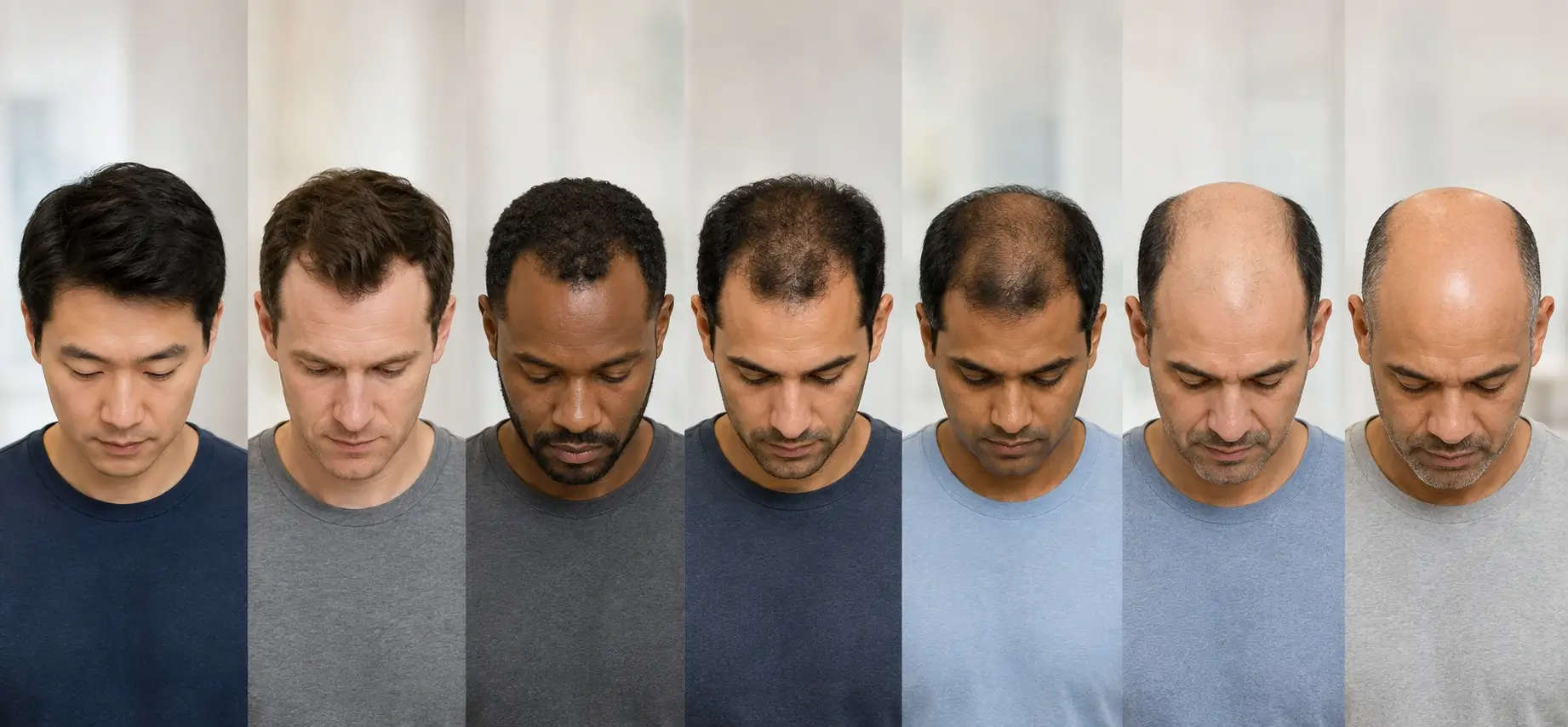
If hair loss is recent or mild, minoxidil can be an excellent first line of defense. However, if there are already completely bald patches or significant hair density loss, a hair transplant may be the only option that provides visible results.
- Age and future projection
In young people , it may be advisable to start with less invasive treatments such as minoxidil while monitoring the progression of the hair loss pattern. In adults with advanced hair loss or stable patterns, a hair transplant may offer greater satisfaction.
- Budget
Minoxidil represents a consistent monthly investment. Over 5 to 10 years, the cumulative cost can be similar to that of a hair transplant, which involves a higher initial payment but no daily maintenance.
- Patient commitment
Minoxidil requires discipline: applying it every day, sometimes for years. A hair transplant, on the other hand, requires a willingness to undergo a surgical procedure and recovery, but does not require constant effort afterward.
Combination treatments: an effective strategy
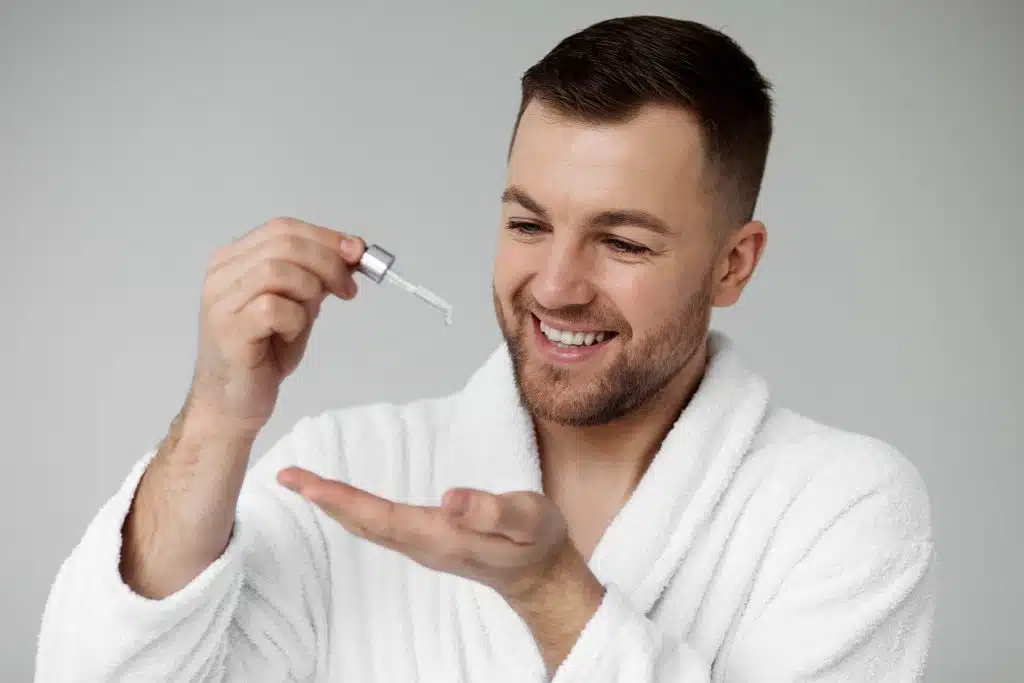
More and more specialists are choosing to combine both strategies. Using minoxidil before a transplant can strengthen existing hair and stabilize hair loss, and continuing to use it afterward helps preserve the native, non-transplanted hair. Other treatments can also be added, such as:
Finasteride (in men, with a prescription)
Nutritional supplements
Mesotherapy or platelet-rich plasma (PRP)
This synergy allows you to maximize results and keep your scalp in optimal condition for sustained growth.
Another alternative for those who don’t want surgery or aren’t candidates for a transplant is scalp micropigmentation (SMP), a technique that creates the visual effect of greater hair density and redefines the hairline. Learn how it works here.
Which path to take?
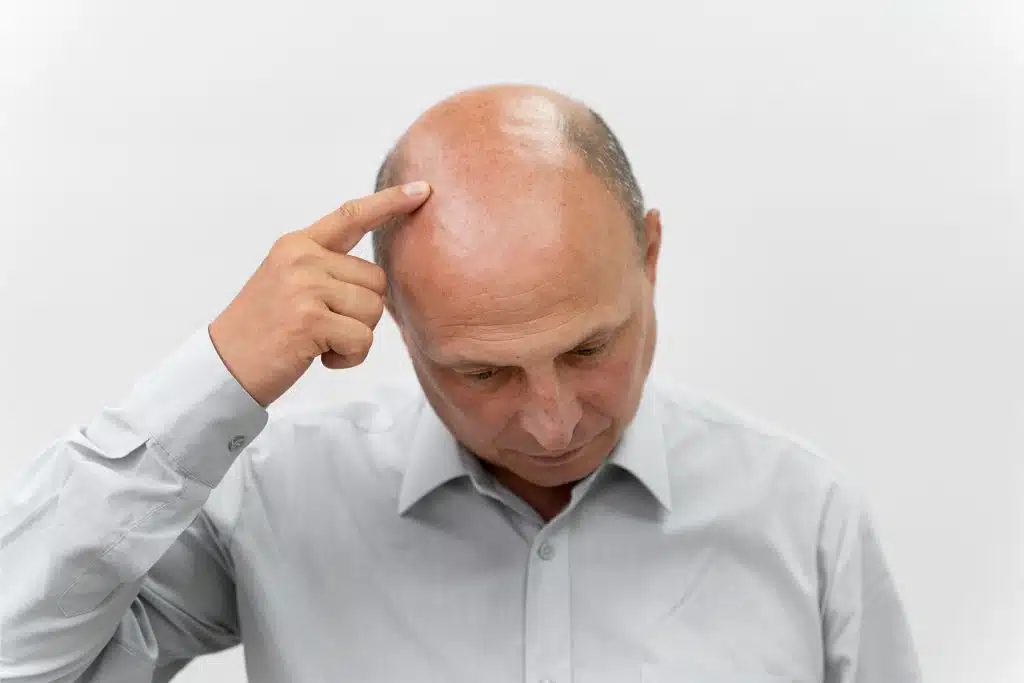
Choosing between minoxidil and a hair transplant is not simple and should not be done without medical advice. Every patient is different, and what works for one may not be suitable for another. Therefore, it is best to visit a specialized hair clinic where your case can be evaluated using diagnostic technology and the best course of action can be determined.
If your hair loss is affecting you emotionally, socially, or in terms of your self-esteem, don’t delay finding a solution any longer. Today, there are effective, safe, and medically backed options that can help you regain not only your hair, but also your self-confidence.
Both minoxidil and hair transplantation offer viable solutions, but at different stages of hair loss and with different implications. Minoxidil can be a great ally in early stages or as part of a maintenance treatment, while transplantation is ideal when seeking a permanent and visible solution.
The most important thing is not to ignore hair loss or resort to unproven miracle cures. At Clínica DrEO, we always recommend an individualized medical evaluation to understand the root cause of the problem and propose a long-term solution based on evidence and clinical experience. Consulting with specialists, like those at Clínica DrEO , can make a significant difference in the results you achieve. Investing in your appearance is also investing in your emotional well-being.