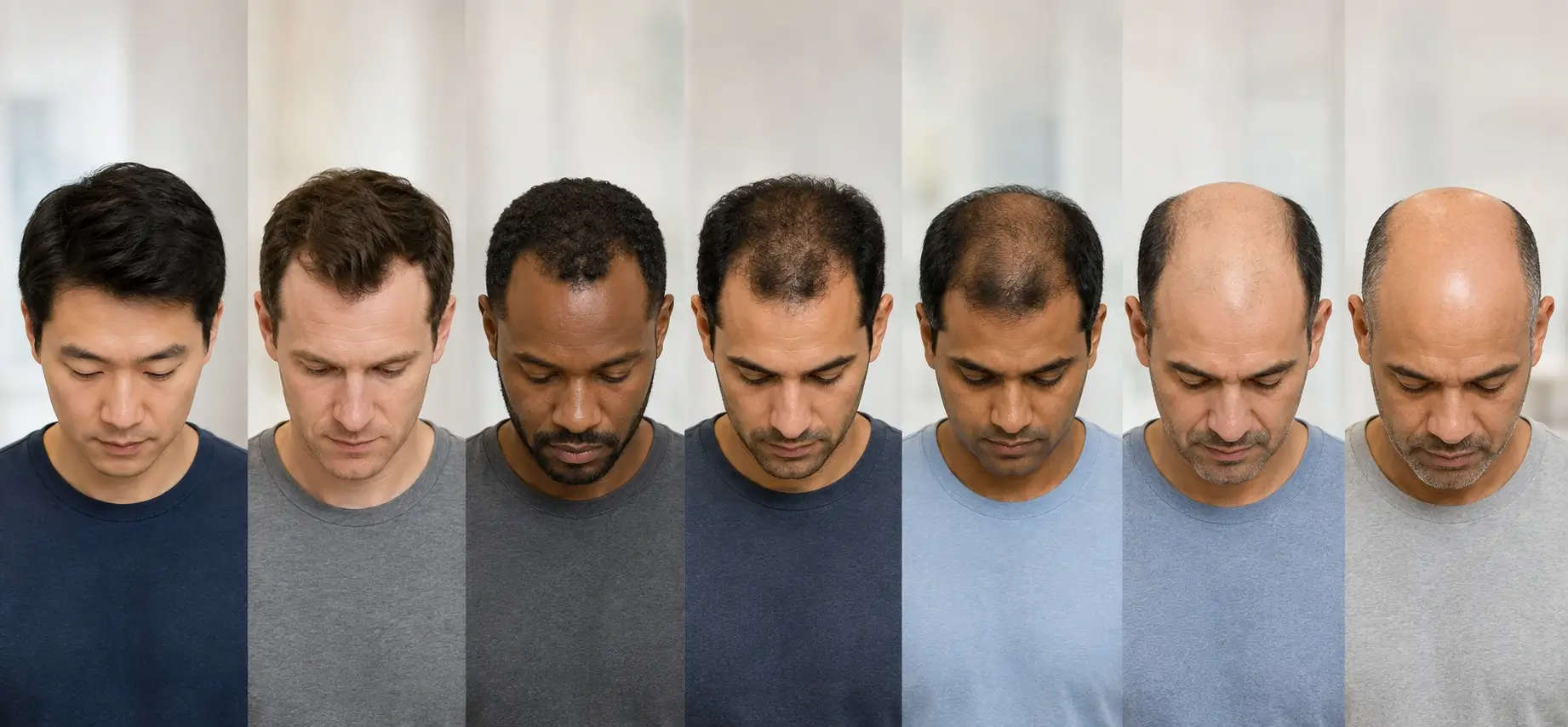

Have you ever wondered why my hair is falling out if I’m young?
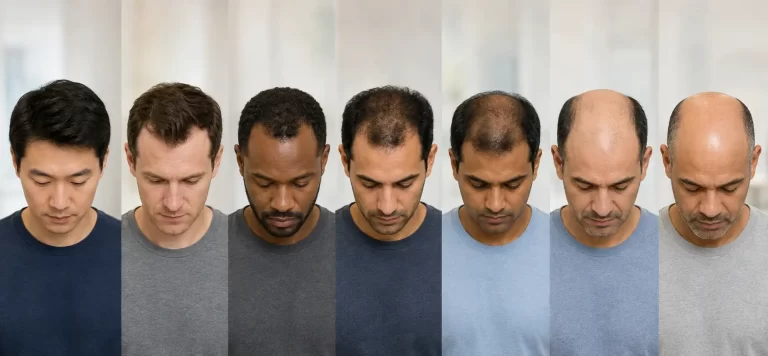
Hair loss is a common concern, especially when it occurs at a young age. Both young men and women can experience this problem, and understanding the causes can be a crucial first step in effectively addressing it. The perception of premature hair loss can be alarming and affect self-esteem, but it’s important to remember that multiple factors contribute to this condition. In this article, we’ll explore the reasons behind hair loss in young people, as well as some possible solutions. By identifying the causes, a more targeted approach can be taken to treat and prevent hair loss.
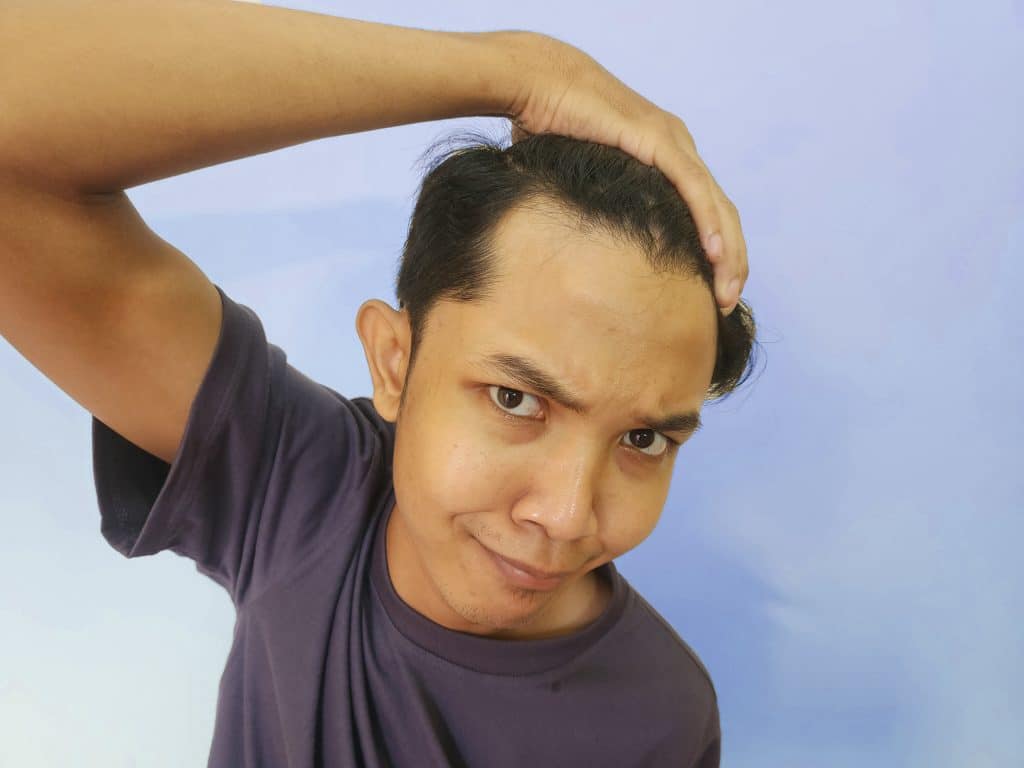 Hair loss in young people can be caused by several factors. These factors can be internal, such as hormonal imbalances, or external, such as the use of harsh hair products. Below, we analyze some of the most common causes that affect hair density in young people:
 La genética puede desempeñar un papel importante en la caída del cabello. Si tienes antecedentes familiares de alopecia, es posible que también experimentes este problema a una edad temprana. La alopecia androgenética, también conocida como calvicie de patrón masculino o femenino, es la forma más común de pérdida de cabello genética. Este tipo de pérdida de cabello se caracteriza por un adelgazamiento progresivo en áreas específicas del cuero cabelludo, y aunque no se puede prevenir completamente, existen tratamientos que pueden ralentizar su progresión. Conocer el historial familiar de pérdida de cabello puede ayudar a anticipar posibles problemas y a buscar soluciones antes de que la situación se agrave.
 Fortunately, there are several strategies young people can adopt to address hair loss. Implementing lifestyle changes and considering professional treatments can make a significant difference in hair health:
 Prevention is key to maintaining healthy hair. Adopting preventative practices can help reduce the risk of hair loss and maintain hair density and strength:
 Hair loss in young people can be a distressing problem, but understanding the underlying causes and taking proactive measures can make a big difference. From adjusting your lifestyle to seeking professional treatment, there are several ways to address this problem.
By maintaining healthy habits and properly caring for your hair, you can improve its health and reduce the likelihood of premature loss. It’s important to remember that each case is unique, so it’s best to customize solutions to your individual needs. If you have persistent concerns about hair loss, don’t hesitate to seek professional advice. Early intervention and a comprehensive approach can help you effectively manage hair loss and maintain strong, healthy hair over the long term.
Hair loss in young people can be a distressing problem, but understanding the underlying causes and taking proactive measures can make a big difference. From adjusting your lifestyle to seeking professional treatment, there are several ways to address this problem.
By maintaining healthy habits and properly caring for your hair, you can improve its health and reduce the likelihood of premature loss. It’s important to remember that each case is unique, so it’s best to customize solutions to your individual needs. If you have persistent concerns about hair loss, don’t hesitate to seek professional advice. Early intervention and a comprehensive approach can help you effectively manage hair loss and maintain strong, healthy hair over the long term.
Why is my hair falling out if I’m young?
Hair loss in young people can be caused by several factors. These factors can be internal, such as hormonal imbalances, or external, such as the use of harsh hair products. Below, we analyze some of the most common causes that affect hair density in young people:
Stress and Anxiety
El estrés es una parte inevitable de la vida moderna, pero cuando se vuelve crónico, puede tener efectos adversos en el cuerpo, incluida la caída del cabello. La alopecia por estrés, conocida como efluvio telógeno, puede ocurrir cuando el cuerpo está bajo tensión emocional o física, haciendo que los folículos pilosos entren en una fase de reposo prematura. Durante esta fase, el cabello deja de crecer temporalmente, lo que puede resultar en un aumento en la cantidad de cabello que se cae. Además, situaciones de estrés prolongado pueden desencadenar otros problemas de salud que exacerban la pérdida de cabello, como trastornos del sueño o alteraciones en la alimentación.Desequilibrios Hormonales
Los desequilibrios hormonales son otra causa frecuente de la caída del cabello en personas jóvenes. Tanto en hombres como en mujeres, las hormonas juegan un papel crucial en el ciclo de crecimiento del cabello. Por ejemplo, la alopecia androgenética es una forma común de pérdida de cabello en hombres jóvenes, mientras que el síndrome de ovario poliquístico (SOP) puede afectar a las mujeres, causando cambios hormonales que resultan en la pérdida de cabello. Estos desequilibrios pueden ser difíciles de detectar sin un examen médico adecuado, por lo que es recomendable buscar la ayuda de un profesional si se sospecha de un problema hormonal. La intervención temprana puede ser clave para manejar efectivamente estos desequilibrios y minimizar su impacto en el cabello.Dieta y Nutrición
Una dieta deficiente puede afectar la salud del cabello. La falta de nutrientes esenciales como proteínas, vitaminas y minerales puede debilitar los folículos pilosos, lo que lleva a una caída del cabello más pronunciada. En particular, la deficiencia de hierro y vitamina D son conocidas por contribuir a la alopecia. Además, una dieta desequilibrada puede afectar no solo el cabello, sino también la salud general del cuerpo, lo que a su vez puede influir en la calidad del cabello. Incorporar alimentos ricos en nutrientes y evitar dietas restrictivas puede ayudar a mantener el cabello fuerte y saludable, proporcionando los elementos esenciales que necesita para crecer adecuadamente.Factores Genéticos
La genética puede desempeñar un papel importante en la caída del cabello. Si tienes antecedentes familiares de alopecia, es posible que también experimentes este problema a una edad temprana. La alopecia androgenética, también conocida como calvicie de patrón masculino o femenino, es la forma más común de pérdida de cabello genética. Este tipo de pérdida de cabello se caracteriza por un adelgazamiento progresivo en áreas específicas del cuero cabelludo, y aunque no se puede prevenir completamente, existen tratamientos que pueden ralentizar su progresión. Conocer el historial familiar de pérdida de cabello puede ayudar a anticipar posibles problemas y a buscar soluciones antes de que la situación se agrave.
Use of Hair Products
The overuse of harsh chemicals, such as hair dyes, perms, and relaxers, can damage hair follicles. This can lead to both temporary and permanent hair loss if proper measures are not taken to restore hair health. Harsh chemicals can weaken the hair structure, making it more susceptible to breakage and loss. To minimize damage, it’s advisable to opt for gentler, more natural hair products and limit the frequency of chemical treatments. Additionally, implementing a hair care routine that includes moisturizing and strengthening can help mitigate the damage caused by these products.Why does my hair fall out if I am a young woman?
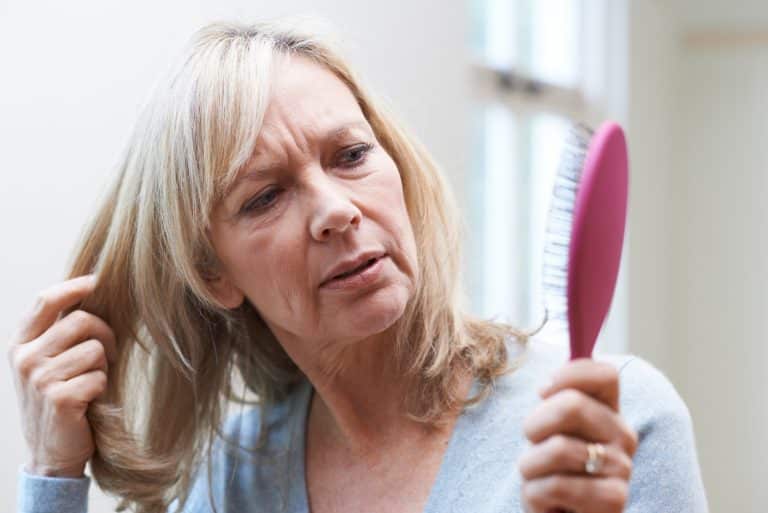
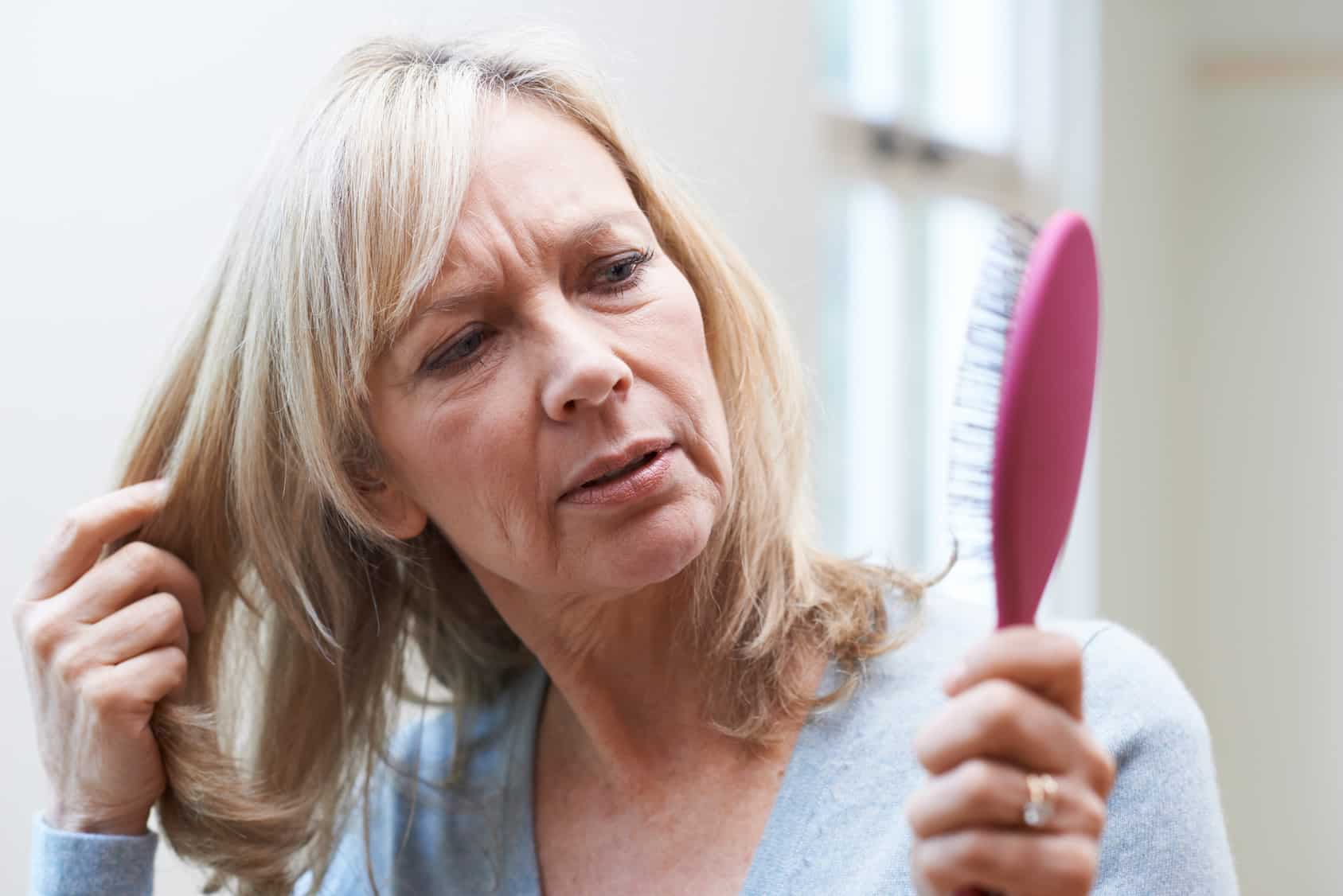
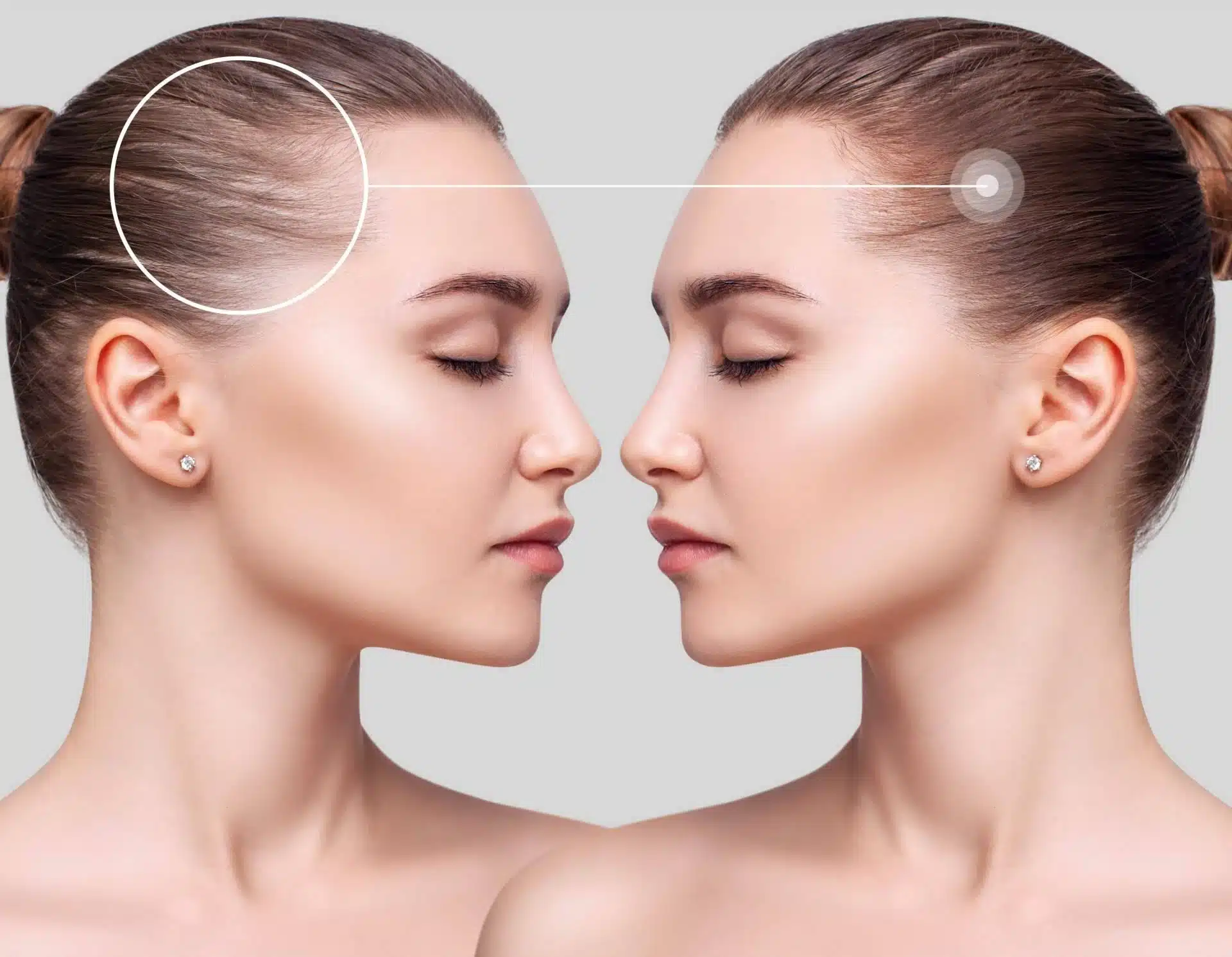
Female pattern baldness, also known as alopecia, is significant hair loss in women. Although less common than in men, it affects a significant number of young women. This condition not only involves hair loss but also a change in hair density and thickness. Hair loss can be an emotionally challenging experience and can impact a woman’s self-esteem and confidence. Often, women facing this problem may feel isolated or ashamed, underscoring the importance of proper understanding and support.Causes of female pattern baldness
There are multiple factors that can contribute to female pattern baldness. Some of the most common include:- Genetics
- Hormonal changes
- Pregnancies
- Stress
- Poor nutrition
- Chemicals and heat
- Menopause
How to Treat Hair Loss in Young People
Fortunately, there are several strategies young people can adopt to address hair loss. Implementing lifestyle changes and considering professional treatments can make a significant difference in hair health:
Lifestyle Changes
Reducing stress through relaxation techniques such as meditation, yoga, or mindfulness can help improve hair health. These practices not only benefit mental well-being but can also have a positive impact on physical health, including hair growth. Additionally, ensuring adequate sleep and maintaining a balanced diet rich in essential nutrients can strengthen hair follicles. A holistic approach that incorporates regular exercise and proper hydration can also contribute to healthier, more resilient hair.Hair Products and Treatments
There are various topical treatments that can help stimulate hair growth, such as minoxidil. This product has proven effective for many people by prolonging the hair growth phase. However, many people also wonder which is more effective: hair transplant or minoxidil , depending on the degree of hair loss and desired results. Additionally, using gentle shampoos and conditioners that are free of sulfates and parabens can protect hair from further damage. Opting for products formulated to strengthen and nourish hair can help restore its health and appearance. It’s important to be consistent with using these products to see significant results over time.Consult with a Professional
If hair loss persists, it is advisable to consult a trichologist. A hair health professional can make a proper diagnosis and recommend personalized treatments, such as low-level laser therapy or specific nutritional supplements. This professional approach can provide a clearer understanding of the underlying causes of hair loss, as well as solutions tailored to individual needs. Early intervention and appropriate treatment can be crucial to effectively managing hair loss and improving your overall health.Preventing Hair Loss in Young People
Prevention is key to maintaining healthy hair. Adopting preventative practices can help reduce the risk of hair loss and maintain hair density and strength:
Maintain a Healthy Diet
Incorporate foods rich in vitamins and minerals into your daily diet. Foods rich in iron, zinc, and vitamins A and C are especially beneficial for your hair. These nutrients not only strengthen hair but also improve the overall health of your scalp, creating a favorable environment for hair growth. Additionally, drinking enough water and avoiding excessive consumption of processed foods can support healthier hair.Avoid Tight Hairstyles
Hairstyles that pull on the hair, such as tight ponytails or braids, can cause traction on hair follicles, leading to hair loss. Opt for looser styles whenever possible to minimize stress on your hair. Additionally, changing hairstyles regularly can help distribute stress more evenly and prevent long-term damage to hair follicles.Protect Your Hair from Damage
Minimize the use of heat tools like blow-dryers and flat irons, and protect your hair from the sun and wind with hats or scarves. Heat tools can cause hair dehydration and breakage , so limiting their use and applying heat protectants is essential. Additionally, unprotected sun and wind exposure can damage the hair cuticle, so properly covering your hair can help keep it healthy and strong.Conclusion Why is my hair falling out if I am young?
Hair loss in young people can be a distressing problem, but understanding the underlying causes and taking proactive measures can make a big difference. From adjusting your lifestyle to seeking professional treatment, there are several ways to address this problem.
By maintaining healthy habits and properly caring for your hair, you can improve its health and reduce the likelihood of premature loss. It’s important to remember that each case is unique, so it’s best to customize solutions to your individual needs. If you have persistent concerns about hair loss, don’t hesitate to seek professional advice. Early intervention and a comprehensive approach can help you effectively manage hair loss and maintain strong, healthy hair over the long term.